
Key Takeaways
- AR and VR games are one of the fastest-growing niches, with the market expected to reach $68 billion by 2030.
- Play-to-earn games let players win real money or crypto, making them highly engaging and profitable for developers.
- Story-driven games keep users hooked by giving them control over the narrative through choices and decisions.
- Educational games are growing at 22% yearly, making them a smart and future-proof investment for developers.
- Mental wellness games are in high demand as the mental health app market is expected to reach $17 billion by 2030.
- Arcade and racing games are still highly profitable in 2026 due to their simple gameplay and broad audience appeal.
Looking for fresh video game ideas that align with what’s trending in the industry right now? You’re in the right place.
As of today, the global augmented reality gaming market was valued at around USD 18.46 billion in 2025 and is expected to grow to about USD 68.54 billion by 2030, expanding at a strong CAGR of roughly 30% as immersive and location-based experiences become more widespread.
That’s just one corner of the industry. Whether you’re a solo dev with big dreams or part of a studio planning your next launch, having the right video game ideas is where it all begins.
However, with numerous genres and trends available, it can be challenging to know where to begin. That’s why we’ve pulled together a list of innovative, future-proof game development ideas so you can skip the guesswork and focus on game design ideas that work in 2025 and beyond.
Quick List: 50 Game Development Ideas (Scannable Overview)
Short, practical game ideas you can skim in under a minute.
| Game Idea Category | Game Example | Primary Niche / Use Case |
| AR / VR Games | Jurassic World Alive | Location-based AR exploration and immersive entertainment |
| Five Nights at Freddy’s VR | Horror-focused VR experiences and repeat engagement | |
| Pokémon Go | Fitness-driven AR gaming and real-world interaction | |
| The Walking Dead: Saints & Sinners | Narrative-driven survival VR gameplay | |
| Star Trek Online | Exploration-based sci-fi virtual worlds | |
| Play-to-Earn Games | Axie Infinity | Crypto-enabled digital ownership and tokenomics |
| Blackout Bingo | Skill-based cash competitions | |
| Jackpocket | Lottery-based real-money gaming | |
| Lucky Scratch | Gift card and reward-based casual gaming | |
| Story-Driven Games | Harry Potter: Hogwarts Mystery | Episodic narrative and fan-driven storytelling |
| Episode | Choice-based romance and drama stories | |
| Choices: Stories You Play | Branching decision-based storytelling | |
| Life is Strange | Emotional, player-choice-driven narratives | |
| Sports Games | Bowling King | Casual competitive sports gaming |
| Real Cricket 24 | Realistic sports simulation for global audiences | |
| Big Win Football | Team management and arcade sports gaming | |
| Archery Club | Skill-based PvP sports gaming | |
| Smartwatch Games | Fitness RPG | Wearable-based fitness and habit formation |
| Mental Wellness Games | SuperBetter | Resilience training and mental wellbeing |
| eQuoo | Emotional intelligence and therapy gamification | |
| Happify | Stress reduction and positive psychology | |
| Professional Serious Games | Virtonomics | Entrepreneurship and market strategy simulation |
| SimPort-MV2 | Project management and planning training | |
| Friday Night at the ER | Organizational behavior and decision modeling | |
| RPG / Sci-Fi Games | Pulsar: Lost Colony | Sci-fi exploration and strategy |
| Educational Games | Hopscotch | STEM and programming education |
| Hello Quantum | Science education through gameplay | |
| Arcade-Style Games | Subway Surfers | Casual arcade and mass-market mobile gaming |
| Candy Crush Saga | High-retention casual monetization | |
| Racing Games | Asphalt 9: Legends | Cross-platform arcade racing |
| Zed Run | Strategy-driven virtual racing and ownership | |
| Investment Games | Wealthbase | Financial literacy and trading simulation |
| Landlord Real Estate Tycoon | Property investment and geo-strategy |
Why Is Developing a Custom Game App the Next Big Opportunity in 2026?
Developing a custom game app lets startups tailor gameplay experiences to niche audiences, tap into higher engagement, and create unique monetization paths, without competing directly with mass-market titles.
With mobile gaming expected to generate over $110 billion globally in 2026, personalized game apps offer both visibility and long-term income potential for business owners and private investors entering the gaming space.
Building customized gaming ideas means you’re not just a participant, you’re the market maker. For instance,
- Indie studios that develop quiz games around hyper-specific 3D animation styles often see higher retention and word‑of‑mouth adoption.
- Add social features, or AR filters, to increase shares, downloads, and potentially, in‑app purchases, without needing a massive user base.
- Be Among The 1% Businesses Making Fortunes WIth Game Ideas
- Skip the complexity and launch a custom game built for scale, revenue, and long-term value.
What Are the Most Promising AR and VR Game Ideas Right Now?
The most promising AR and VR game ideas are those that combine immersive experiences with clear commercial use cases and rapidly expanding consumer hardware adoption. As extended-reality devices move closer to mainstream usage, AR and VR games are becoming viable digital assets rather than experimental concepts.
With the global AR and VR gaming market projected to surpass $45 billion by 2026, there is increasing demand for location-aware, experiential, and highly engaging game concepts that go beyond traditional screen-based interaction.

Here are some of the most commercially attractive AR and VR game concepts gaining traction:
- Jurassic World Alive: Location-based AR exploration and immersive entertainment
- Five Nights at Freddy’s VR: Horror-focused VR experiences and repeat engagement
- Pokémon Go: Fitness-driven AR gaming and real-world interaction
- The Walking Dead: Saints & Sinners Narrative-driven survival VR gameplay
- Star Trek Online: Exploration-based sci-fi virtual worlds
As platforms such as Meta Quest and Apple Vision Pro continue to expand their user base, audiences increasingly expect high-quality, sensory-rich content.
For business owners, this signals a growing window to invest in AR and VR game ideas that align immersive technology with scalable entertainment and long-term engagement.
PS: Fan of Battle Royale-style games? Read a comprehensive guide on How To Build A Gaming App Like PUBG Mobile!
How Can Startups Profit from Play-to-Earn Gaming Ideas?
Play-to-earn games reward players with real-world value. Crypto tokens, NFTs, or cash, encouraging longer engagement and daily play. With the P2E gaming market valued at over $2 billion in 2024, as per the report of Data Insights, this model is proving profitable for both creators and gamers.

Here are the top 5 play-to-earn game development ideas:
- NFT games like Ether Legends
- Crypto games like Axie Infinity
- Cash-based play-to-earn game like Blackout Bingo
- A lottery game app like Jackpocket Lottery
- Gift card game app like Lucky Scratch
When building a P2E title, consider token economics, seamless onboarding (no crypto experience required), and regulatory compliance, especially if targeting mainstream audiences.
- Got P2P Game Ideas?
- Our team helps you scope it, estimate costs, and build a roadmap.
What Are Some Engaging Story Game Design Ideas for 2026?
Story-based video game ideas thrive when they deliver emotional impact through compelling characters, meaningful choices, and immersive narratives.
Whether visual novels or decision-driven RPGs, these games keep users hooked by giving them control over the story’s direction. The interactive storytelling games segment projected to cross $1 billion in annual revenue by 2026, driven primarily by mobile platforms and live-content models.
Here are the top story game development ideas:
- Harry Potter: Hogwarts Mystery
- Episode – Choose Your Story
- Choices: Stories You Play
- The Walking Dead: No Man’s Land
- Life is Strange
You could create a mystery thriller where players uncover clues across social media-like in-game platforms, or make a mobile game around a romance story that adapts based on emotional choices.
Episodic mobile formats are also gaining popularity, allowing developers to roll out story arcs gradually, ideal for indie studios and monetization through season passes.
What Sports Video Game Ideas Are Trending With Casual and Hardcore Gamers?
Sports games remain one of the most resilient and profitable gaming categories, with the global sports gaming market projected to exceed $30 billion annually by 2026, driven by mobile-first audiences, live events integration, and competitive multiplayer formats.
Here are the top 4 sports game app ideas:
1.Bowling King
2. Real Cricket 24
3. Big Win Football
4. Archery Club: PvP Multiplayer
Though sports enthusiasm is never-ending, the sports game market is still super saturated. This suggests that you launch a sports game app that offers a high-end user experience to its target audience.
A fun user interface, with a smooth user experience, will help your game gain a competitive advantage and ultimately make it as profitable as you wish.
Are Smartwatch Game Ideas Still Worth Developing in 2026?
Yes! Smartwatch adoption continues to grow strongly, with about 1 in 4 U.S. adults (25%) owning a smartwatch in 2025, showing wearable devices are becoming mainstream platforms for interactive experiences, including games and apps on the wrist.
Simple, gesture-based mechanics and real-time tracking make smartwatches ideal for quick, engaging experiences.
From reflex-based tap to real-world fitness quests, game dev ideas like “walk to hatch your dragon” or “blink to block” can create addictively fun loops.
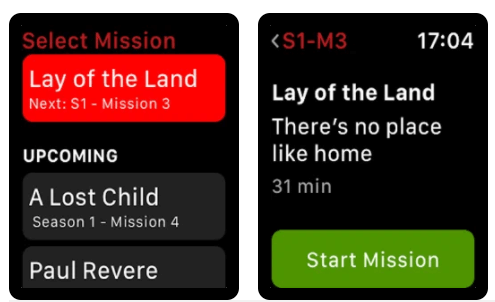
Plus, developers using Apple Watch or Galaxy Watch platforms can tap into growing user bases with health-conscious cross-platform app development, perfect for short play sessions during commutes or workouts.
New Game Ideas For Mental Wellness and Reducing Stress
Mental health game dev ideas aim to reduce anxiety, build mindfulness, and offer therapeutic engagement through calming mechanics and emotional storytelling. These games are not just helpful—they’re in demand.
The global mental health apps market was estimated at USD 7.48 billion in 2024 and is projected to grow to about USD 17.52 billion by 2030, reflecting strong demand for digital mental well-being solutions.
Here are the top 3 mental health mobile game development ideas:
- SuperBetter, an evidence-inspired resilience and wellbeing game
- eQuoo, an emotional health game
- Happify, a gamified wellbeing platform that uses science-based activities
For a mobile game development company, integrating features like gratitude logging, breathing exercises, or AI-guided empathy chats could make a lasting impact.
What Gaming Ideas Appeal to Professionals Seeking Skill-Building Fun?
Games for professionals combine entertainment with productivity, often offering brain training, networking, or workplace simulations. The global game-based learning and serious games market is projected to reach around USD 26.3 billion in 2026, reflecting strong demand as organizations adopt experiential learning solutions.(Source: iMarc Group)
Think negotiation sims, data-visualization puzzles, or soft-skill RPGs that convert work scenarios into bite-sized challenges. Badges tied to LinkedIn APIs give players résumé-worthy proof of completion.
If you are inspired by the niche, here are unique game ideas you can start developing:
- Virtonomics, a multiplayer business simulation that lets players run companies and compete in an open market environment
- SimPort-MV2 style infrastructure planning simulations, complex scenario games that model real project management and stakeholder decisions
- 3DiTeams-like team coordination training, virtual environments that improve collaboration and communication skills among professional teams
- Friday Night at the ER–style organizational system simulations, experiential training games teaching systems thinking and incident response
You can choose to monetize games with ads. In this case, the option is to launch a premium game, then charge your users a subscription. If your app has to have a strong scope, exceptional features, and exciting gameplay play so users would want to pay.
How Big Is the Demand for Fantasy and Sci-Fi RPG Experiences?
According to Business Research Insights, the global RPG market is projected to jump from US$23.2 billion (2024) to US$89.6 billion by 2033.
Sci-fi and fantasy video game ideas are another niche that’s widely popular among players of different ages. If you, too, love science fiction, these new cloud gaming ideas will surely interest you:
- A world where AI and robots take over
- Country-level rivalry and army games
- Galaxy and space war games like Pulsar: Lost Colony
- A world where robots start catching feelings
- Fun bowling game project ideas where a human is the ball
- A kid-friendly avatar game with cuddly characters
- Have RPG Game Dev Ideas, but need help with execution?
- We will turn your idea into a working plan
Why Are Educational Video Game Ideas a High-Growth Bet?
Educators all around the world have endorsed that gamifying a theoretical concept produces an ideal learning experience for diverse students, especially for ones with learning difficulties.
And that’s how educational games of today are attempting to fill the gap in the education and gaming industry. Grand View Research reported that game dev ideas based on learning are expanding at a 22 % CAGR, rising from US$16.2 billion (2023) toward US$64.5 billion by 2030.
- Code learning and STEM games like Hopscotch
- Quantum computing games like Hello Quantum and Quantum Cats
- Science learning games like Starfall Catalyst
- Vocabulary-building games like Alpha Bear.
Are Arcade-Style Game Development Ideas Still Profitable in a Home-Console Era?
Yes! The global arcade gaming market size is projected to grow from roughly USD 14.23 billion in 2026 and expand to USD 16.87 billion by 2030, driven by immersive and social gaming experiences.
(source: market.us)
Arcade games are usually popular for their easy controls, simple game concepts, quick rewards, and a player keeps progressing. Modern arcade game dev ideas include mobile tie-ins or cloud leaderboards, adding fresh revenue channels beyond coin drops.

These are the most popular arcade game examples to seek inspiration:
- A car racing game like Asphalt 9: Legends
- Balling and board gaming ideas like Pinball
- Fantasy games like Candy Crush
- Running games like Subway Surfers
Do Racing Video Game Ideas Still Work in 2026?
Yes, racing video game ideas continue to perform strongly because they combine competitive gameplay and broad audience appeal across mobile, console, and PC platforms.
The global racing games market is projected to reach around US$25 billion by 2027, while mobile racing games alone are expected to generate approximately US$5 billion in revenue by 2026, driven by casual players and live-service monetization models.
And with cross-platform gameplay boosting retention by 40%, quirky, animal-themed racing games are more than just fun—they’re a smart business move.
Some fresh game development ideas include:
- A digital horse racing sim like Zed Run, where stats and lineage matter
- Satirical animal competition gaming ideas inspired by Orwell’s *Animal Farm
- A strategy-based racer where players select animals based on unique traits like agility, stamina, or terrain compatibility
Targeting adults? Add a play-to-earn model that lets users race competitively or place bets on outcomes. Combining skill, strategy, and token-based rewards could turn your video game ideas into the next big P2E title.
Are Investment Games a Profitable and Scalable Niche in 2026?
Yes, and they’re growing fast. The global simulation game market, which includes investing and strategy titles, is projected to climb from US$3.5 billion in 2026 to US$26.2 billion by 2031 (Source: DataHorizon Research).
Investment games gamify trading, asset management, and financial literacy, helping users learn without risking real money. These apps attract beginners who want to eventually invest in stocks, crypto, or real estate but feel overwhelmed by traditional platforms.
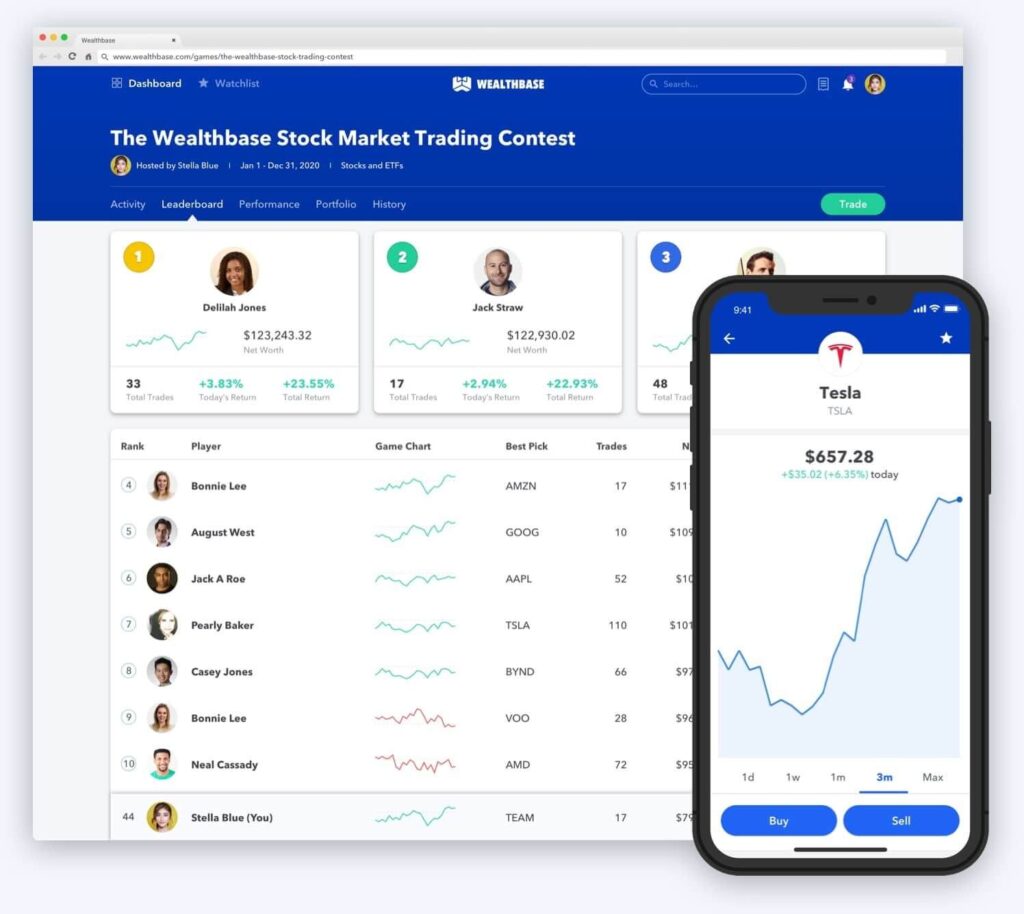
If you want to connect users to real brokerages or allow trading with actual assets, partnering with a financial institution or building an affiliate model is key. You’ll also need the services of any top US game development companies that understand compliance, secure APIs, and real-time data streaming.
Here are three investment game ideas that balance education with engagement:
- Crypto games like CryptoKitties teach users NFT and token value management.
- Stock market game project ideas, like Wealthbase, simulate trading in a risk-free environment.
- Real estate games like Landlord Real Estate Tycoon mix property strategy with geo-based gameplay
What Should You Do After Choosing New Game Ideas?
Once you’ve found the right and unique game ideas, the next step is figuring out how to bring them to life, without wasting time or blowing your budget. That’s where game development ideas planning matters just as much as creativity.
At this stage, most founders explore things like:
- Which game engine to use (Unity? Unreal?)
- How to keep costs down without compromising features
- Whether to build for mobile, web, or go full cross-platform game
- And how to launch—beta testing, app store approvals, cloud integration
Working with a seasoned game development company can save months of trial and error. You’ll get clarity on your roadmap, cost estimates for developing games, and support through production and post-launch scaling.
How Profitable Game Ideas Are Actually Created?
Successful game ideas rarely come from random inspiration. They are usually the result of clear business goals, market positioning, and controlled creativity. Whether you are an entrepreneur, brand owner, or investor, the most valuable game ideas are those that balance originality with commercial viability.
Below are proven ways businesses and founders generate game concepts that can be funded, built by teams, and scaled into profitable products.
1. The Business-First Constraint Method
Instead of starting with technology, successful game ideas often start with business constraints.
Typical starting points include:
- Target audience: casual players, kids, adults, or niche communities
- Budget range and expected production scope
- Platform focus: mobile, PC, console, or immersive platforms
- Monetization model: free-to-play, premium, subscription, or branded experience
By defining these constraints early, game ideas become clearer, more realistic, and easier to evaluate from an investment perspective.
This method is especially effective for companies that want predictable outcomes rather than experimental projects.
2. The Core Experience Method
Profitable games are built around a simple, repeatable experience that players return to.
Instead of asking “What features should the game have?”, businesses should ask:
- What does the player do most of the time?
- Why would they come back tomorrow?
- What emotional reward does the game provide?
Examples of strong core experiences include:
- Progression and growth
- Competition and status
- Relaxation and escapism
- Social interaction and collaboration
A clearly defined core experience helps align game mechanics, art direction, and monetization strategies from the start.
3. The Market-Proven Variation Method
Many commercially successful games are not completely original concepts. They are refined variations of proven genres with a unique twist.
This approach involves:
- Identifying successful game categories
- Analyzing what players enjoy most in those games
- Improving or simplifying aspects that cause friction
For businesses, this method reduces risk by building on validated demand rather than betting on untested ideas.
4. The Brand and Audience Alignment Method
For brands and businesses, a game idea should reinforce identity rather than exist in isolation.
This method starts by asking:
- What values or messages should the game communicate?
- How does the game strengthen customer engagement?
- Should the game be entertainment-first or marketing-first?
- Games created using this approach often serve as:
- Brand engagement tools
- Loyalty-building platforms
- Community-driven experiences
These ideas are especially valuable for companies entering gaming for strategic rather than purely entertainment reasons.
5. The Scalable Opportunity Method
Investors and founders often look for ideas that can grow beyond a single release.
This method focuses on:
- Long-term content expansion
- Live operations and updates
- Cross-platform potential
- Opportunities for merchandising, events, or partnerships
Game ideas designed with scalability in mind are more attractive for funding and long-term returns.
What Are the Top Female-Centric Game Development Ideas?
The global female gamer base surpassed 1.2 billion players in 2025 (Newzoo), and underserved niches still exist in narrative, simulation, and design genres.
Game design ideas for female audiences:
- Life-simulation games where players design homes, fashion, or careers
- Dating simulation games with inclusive storylines and emotional AI
- Motherhood-themed games about pregnancy, parenting, or adoption
- Female-led historical fiction or fantasy RPGs
- Representation sells.
Build from diverse perspectives and create games that reflect real experiences.
Turn Your Game Ideas into Reality with TekRevol?
By now, you’ve seen just how many unique game ideas are trending and how much potential each category holds.
Whether you’re planning an AR fitness app, a story-driven RPG, or a cross-platform game that syncs across devices, the right execution is what makes your new game ideas stand out.
That’s where TekRevol comes in. As an award-winning game development company, we help startups, founders, and creative teams bring their concepts to life with full-cycle game development, covering everything from design and prototyping to launch and post-release scaling.
We don’t just write code. We help you:
- Validate your game development ideas with the right audience
- Choose the best tech stack for performance and cost-efficiency
- Estimate budgets accurately—no surprises
- Build a scalable architecture that grows with your player base
Whether you’re ready to build or still exploring cost estimates for developing games, we’d love to hear your idea.
- Brainstorming Game App ideas?
- Whether it’s mobile-first or cross-platform, we help you plan, prototype, and launch.