A loud debate has been going on around YouTube Music vs Spotify ever since streaming platforms shifted their focus to becoming intelligent ecosystems for entertainment. Nowadays, music enthusiasts are not only focused on songs. They also desire personalization, smart discovery, continuous listening, and subscriptions full of value. Therefore, it is sensible to compare these two music giants.
Also, not only that, but these platforms also altered the way people enjoy music on different devices, for instance, speakers, smartphones, TVs, and cars, etc. Still, if you’re wondering which platform is better for listener preference, behavior, and their lifestyles? This detailed article evaluates features of a music app development along with their algorithms, pricing, and future innovation to help you decide.
Ever wondered if YouTube Music is better than Spotify? This thorough review will guide you through all the major factors.
The Evolution of Music Streaming: From MP3s to Smart Music Platforms
Listening to music today is totally different from 20 years ago. The rivalry between YouTube Music and Spotify is a reflection of the enormous growth of the whole industry. Streaming services require the perfect music AI app development services and use big data analytics for personalization purposes to engage their fans.
Apart from just songs, nowadays, to stream means to get context-aware experiences, access predictive recommendations, and be able to continue the session on another device. Platforms are now expected to understand users’ feelings, habits, and everyday life by the way they operate.
- Revenue in the Music Streaming market worldwide is projected to reach US$46.81bn in 2026.
- Streaming platforms make up more than 67% of the total music industry revenue.
- Spotify alone has hit the new mark of 550 million monthly active users around the world, which is a very clear signal of the huge streaming adoption.
The numbers above plainly demonstrate that streaming has become the number one method of music consumption around the globe.
Stay ahead in the streaming revolution
TekRevol transforms your vision into feature-rich music and audio apps.
Book a Strategy CallStreaming Platforms And The Transformation Of Music Consumption
Music streaming replaced physical albums and downloads with instant cloud access. Users can now explore global music libraries without storage limitations. Subscription models made premium listening affordable and accessible.
Why Smart Streaming Matters in 2026?
Modern users expect apps to anticipate what they want to hear next. Building a smart music streaming app includes AI recommendations, offline intelligence, and personalized playlists. This shift has turned music platforms into lifestyle companions rather than simple players.
What Should You Know About the Two Streaming Giants?
It is very important to understand what each platform offers before you compare features. The conversation around YouTube Music vs Spotify is really about their core identities and ecosystems.
Spotify has been a music-first brand with a very strong focus on music discovery. YouTube Music, on the other hand, leverages Google’s search intelligence and video integration to deliver its value proposition. Basically, the music app development opportunities and risks depend upon different user expectations.
What is Spotify?
Spotify is a music streaming platform that has gained a huge worldwide fanbase. It is all about personalized playlists, podcasts, and managed listening experiences. Thanks to the discovery feature based on its music algorithm, users never get bored and keep discovering new artists and music genres all the time.
What is YouTube Music?
YouTube Music is the successor to Google Play Music and has a great advantage in using YouTube’s massive library of videos. It is not only the official tracks that feature in the music library, but also live performances, covers, and remixes. The combination of these two modes leads to an extremely distinctive audiovisual streaming experience.
Audience Demographics and Listening Behavior
Spotify charms those who prefer playlists specially curated for them as well as podcasts. YouTube Music mainly attracts people who are into videos and also fans of discovering music through the search feature, and some of the best music apps without ads. Many times, younger audiences tend to choose the YouTube integration mainly because of their familiarity with it.
Which App Offers a Better User Interface and Experience?
User experience is a significant factor in deciding whether YouTube Music vs Spotify is better. An intelligent interface facilitates finding and playing music effortlessly, no matter what device is being used.
Both services provide beautifully designed apps with personalized home screens. However, the two have very different styles when it comes to navigation and interaction. Knowing such differences allows one to choose a platform that feels more natural.
Spotify’s Clean and Personalized Interface
Spotify’s interface is minimal and playlist-centric. The home screen adjusts according to the user’s listening habits and regularly played tracks. Personalized parts such as the Daily Mixes and Recently Played facilitate easy navigation.
YouTube Music’s Visual and Search-Driven Design
YouTube Music puts a spotlight on visuals and search precision. Users are able to track down songs merely through their lyrics or by their mood. The feature of linking one’s YouTube watch history gives the suggestions a nice touch.
Compatibility Across Different Devices
Spotify delivers a uniform experience whether it’s a smartphone, desktop, or a smart device. YouTube Music is designed to work flawlessly in the Google ecosystem, like Android Auto and smart displays. Both allow interruption-free transitioning between the devices or you may also check offline music apps for both Android and iOS.
What Makes Music Recommendation AI Algorithms Effective?
A key factor in deciding between YouTube Music vs Spotify is the level of understanding each platform has of listener preferences. Discovery algorithms determine the way users find new music and stay engaged.
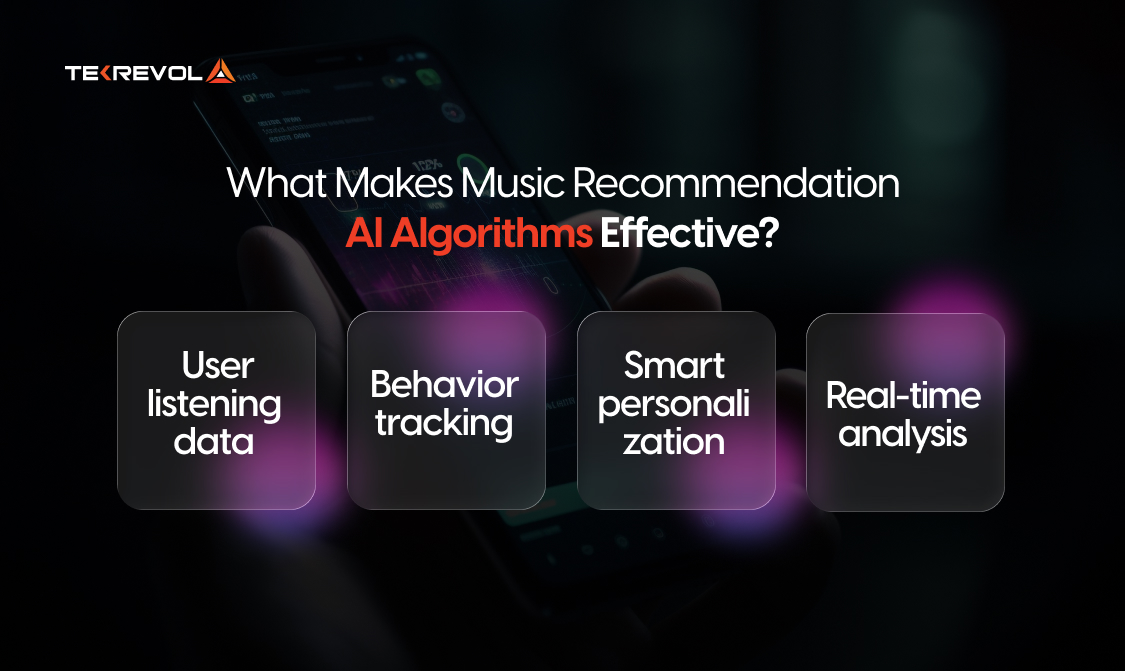
Both platforms mainly depend on AI and machine learning development services. However, their recommendation engines utilize different data and approaches. This results in significant differences in the quality of discovery.
Spotify’s Recommendation-Based Discovery Engine
Spotify has been praised for its robust recommendation system. The features include:
- Discover Weekly personalized playlists
- Release Radar for new music
- AI DJ for voice-guided recommendations
- Daily Mix playlists based on mood
These tools make Spotify highly effective for passive discovery.
YouTube Music’s Discovery Advantage
YouTube Music relies on Google search information and YouTube video-watching habits. The service suggests music that is trending, live performances, and remixes. Also, the app users can gain access to rare and user-generated content that is not available on other platforms.
Which Platform Understands Listener Behavior Better?
Spotify is good at long-term user personalization and curated discovery of music. YouTube Music is more suitable for quick search and tracking of viral trends. The wiser platform is the one that best meets the music discovery preferences of users.
How Are Content Libraries More Than Just Music?
When choosing between YouTube Music vs Spotify, the deciding factor that decides is the variety of content. Both services present a great number of songs, but they are different in additional content offerings.
Streaming has evolved beyond just studio recordings. In addition to music, users nowadays demand podcasts, live sessions, and really special content, and many other ad-free streaming alternatives. Each platform chooses a different way to enlarge its library.
Music Catalog Size and Accessibility
Where both platforms excel is in their vast song libraries that include music from all over the world, as well as the local settings. While Spotify centers around licensed tracks and well-planned albums, YouTube Music brings in the presence of unofficial uploads, covers, and remixes as well.
Podcasts vs Video Ecosystem
Spotify bets a lot on podcasts and exclusive content. YouTube Music is the winner of the deal with YouTube’s vast video footage. Users may even switch between music videos and audio versions without any hitch.
Exclusive and Rare Content Availability
The unique live performances and fan uploads are some of the ways YouTube Music can be said to be leading. Besides, Spotify has exclusive podcast deals and the curated sessions offer. This difference shapes user preference significantly.
Audio Quality and Streaming
One of the main reasons people compare Spotify and YouTube Music is the audio quality. Both platforms offer great sound quality; there are some tiny differences.
The quality of sound is determined by the bitrate, the amount of compression, and how well your device is compatible with the audio files. A lot of average listeners might not notice the differences, but the true audiophiles will definitely care about them.
Spotify’s Audio Quality Tiers
Spotify provides different levels of audio quality depending on whether the user is a free user or a subscriber. Premium subscribers have the benefits of higher bitrates and uninterrupted listening. It also seems that Spotify will soon be adding HiFi audio to its platform.
YouTube Music Sound Quality Explained
YouTube Music delivers solid audio quality for streaming. Premium users get improved bitrate and ad-free listening. Performance varies slightly depending on video or audio mode.
Does Sound Quality Matter to Average Listeners?
Most users listen through smartphones and wireless earbuds. For them, recommendation accuracy matters more than minor audio differences. Those with top-quality headphones might even hear a slight difference.
What Are the Pricing, Plans, and Value for Money of Each Service?
The subscription fee is one of the most important deciding factors when one is choosing between YouTube Music and Spotify. Customers expect the best value for their money.
Both services have a free and premium option with separate features. Knowing the cost can help figure out which one is more suitable for various kinds of users.
Spotify Pricing Structure
Spotify provides:
- Free ad-supported version
- Individual premium plans
- Duo and family subscriptions
- Student discounts
Its value increases for podcast and playlist-focused users.
YouTube Music and YouTube Premium Bundles
YouTube Music Premium removes ads and allows background playback. YouTube Premium includes ad-free video streaming and downloads. This bundle offers strong value for heavy YouTube users.
Which Platform Delivers Better Value in 2026?
YouTube Music offers more value if you watch videos frequently. Spotify provides better value for pure music and podcast consumption. Regional pricing can also influence decisions.
Which Smart Features Make Streaming Services Stand Out Today?
Smart features separate basic streaming apps from intelligent platforms. The comparison of YouTube Music vs Spotify often comes down to innovation and AI capabilities.
Both platforms invest heavily in personalization and automation. These features enhance convenience and user satisfaction.
AI-Powered Personalization
Spotify leads with AI DJ and advanced playlist generation. It creates mood-based and activity-based playlists automatically. These features make listening effortless.
YouTube Music’s Intelligent Search
YouTube Music allows searching by lyrics or vague descriptions. Its recommendation engine adapts quickly to listening habits. Integration with Google Assistant enhances smart functionality.
Offline Listening and Smart Downloads
Both platforms allow offline downloads for premium users. Smart download features update playlists automatically. This ensures uninterrupted listening during travel.
Launch a music app that truly connects with listeners
TekRevol creates intelligent streaming experiences with advanced features.
Schedule a Free ConsultationHow Do Streaming Platforms Support the Creator Economy and Benefit Artists?
The growing popularity of streaming has opened up new pathways for artists and creators. An aspect of the YouTube Music vs Spotify debate also revolves around how both platforms facilitate creator monetization and visibility.
Both services have various solutions for artists to get their work heard. Still, the ways in which they make money for artists are quite different.
Spotify for Artists
Spotify provides artists with extensive data and the possibility to pitch to playlists. Musicians have access to precise demographic and listener engagement reports. Even podcast producers can benefit from the platform’s monetization options.
YouTube Music for Creators
Besides ads and channel subscriptions, monetization can be done in various ways on YouTube. Artists use different video formats and live streaming to reach a wider audience. Engagement tools help build stronger fan communities.
Which Platform Supports Creators Better?
YouTube Music offers multiple revenue streams through video content. Spotify provides strong discovery and playlist exposure. The better option depends on the creator’s goals.
What Are the Impacts of Ads, Free Versions, and User Limits on Users?
Free versions influence user perception before subscription. Understanding limitations helps evaluate YouTube Music vs Spotify realistically.
Both platforms use ads to monetize free users. However, restrictions differ significantly.
Spotify Free Tier Experience
Spotify’s free version includes audio ads and limited skips. Users cannot download music offline. Mobile playback has some restrictions.
YouTube Music Free Version
YouTube Music free users experience video ads. Background playback may be restricted in some regions. Premium upgrades unlock full functionality.
Which Free Version is More Usable?
Spotify offers a smoother audio experience. YouTube Music provides access to video content. Usability depends on listening habits.
How Do Privacy, Data Usage, and Personalization Ethics Affect Streaming Services?
As personalization increases, so do concerns about data privacy. Comparing YouTube Music vs Spotify also involves understanding how each platform uses data.
Streaming platforms collect listening behavior and search history. This mobile app security help data to improve recommendations but raises privacy questions.
Data Collection for Recommendations
Spotify tracks listening patterns and playlist interactions. YouTube Music uses search history and viewing behavior. Both rely heavily on data-driven personalization.
Privacy Concerns and Transparency
Google’s ecosystem raises concerns about extensive data tracking. Spotify focuses primarily on audio behavior. Transparency and user controls continue to improve.
Balancing Personalization with Privacy
Users must balance convenience with data sharing. Smart recommendations require behavioral insights. Choosing a platform often depends on comfort with data usage.
Who Should Choose Spotify and Who Should Choose YouTube Music?
Choosing between YouTube Music vs Spotify depends on individual preferences and digital habits. Each platform serves different types of listeners effectively.
Best for Discovery Lovers
Spotify is very good at curated playlists and AI recommendations. It is most suitable for users who like to get new artists without any effort.
Top Pick for Video and Music Consumers
If you are the one who always watches music videos, YouTube Music is the right choice for you. Its connection with YouTube makes the total entertainment experience better.
Top Pick for Podcast Lovers
Spotify is the leader in the podcast world. It comes with exclusive podcasts and smooth playback.
Top Pick for Users Who Care About Money
YouTube Premium bundles are more than just an upgrade. Users get ad-free videos and music in one subscription.
Best for Creators and Artists
YouTube Music offers broader monetization options. Spotify provides better music discovery tools.
How Will AI and Video Shape the Future of Music Streaming?
Streaming platforms are evolving into intelligent entertainment ecosystems. The battle of YouTube Music vs Spotify will intensify with AI development services.
Future innovations will focus on deeper personalization and immersive experiences. Integration with smart devices will redefine how users interact with music.
Rise of AI-curated listening
AI will create hyper-personalized playlists. Voice-controlled music discovery will become common. Predictive listening will shape future experiences.
Integration with Smart Devices and Cars
Streaming apps will integrate with smart homes and vehicles. Voice assistants will control playback seamlessly. With AI advancement, such cross-platform app development continuity will improve.
Streaming as an Ecosystem, not just an App
Platforms will expand into video, podcasts, and live events. Subscription bundles will increase value. Ecosystem strength will define long-term success.
How Tekrevol Builds Smarter Music Streaming Apps?
The growing demand for intelligent streaming platforms has created opportunities for businesses entering the digital entertainment space. Companies looking to build advanced music apps need experienced music app developers who understand AI, personalization, and scalable architecture.
A reliable music app development company can design platforms with smart recommendation engines, high-quality streaming, and seamless user experiences. From concept to deployment, choosing the right technology partner ensures long-term success.
As a leading mobile application development company, Tekrevol builds feature-rich streaming solutions tailored to modern user expectations. From AI-driven music discovery to cross-platform performance, their expertise helps brands launch competitive streaming apps that stand out in a crowded market.
Whether you want to build a niche audio platform or a full-scale streaming ecosystem, having the right development partner makes all the difference. Tekrevol combines innovation, scalability, and user-focused design to turn music streaming ideas into powerful digital products.
Smart streaming is the future of entertainment. Businesses that invest in advanced music platforms today will shape how audiences experience audio tomorrow.
Your next big digital product could be a music platform
TekRevol helps you design, develop, and scale streaming apps seamlessly.
Request a Free Proposal